
Author Submission Disclosure
This book was submitted by the author. Reviews on Four Eye Books are independent and unpaid, and reflect my genuine reading experience through the Four Lenses framework.
Introduction
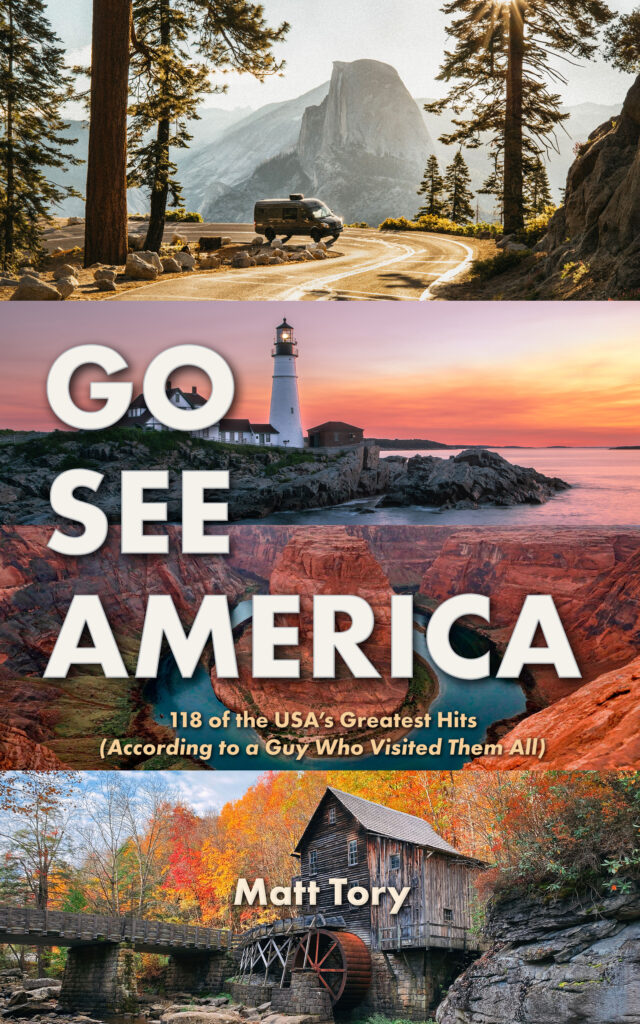
Some travel books hand you an itinerary. Go See America: 118 of the USA’s Greatest Hits (According to a Guy Who Visited Them All) by Matt Tory does something quieter, and ultimately, more effective. It reads like a friend nudging you out the door, reminding you that wonder doesn’t require a passport, a perfect plan, or even a belief that you’re particularly “outdoorsy.” Page by page, this book makes the case that the extraordinary is already here, scattered across back roads, national parks, small towns, and familiar landmarks we think we already understand. As a travel guide rooted in real experience, the book highlights 118 destinations across the United States, blending practical access with personal reflection.
Reading it didn’t give me a checklist.
It gave me momentum.

Experience & Voice
The defining strength of Go See America is its voice. The writing is breezy, warm, and conversational, less tour guide, more road‑trip companion. Each entry runs just a few pages, making the book easy to dip into, but the cumulative effect is powerful. The author’s enthusiasm is contagious, and his joy never feels performative or forced.
He consistently favors experience over itinerary. You’re not told how long to stay or where to park; you’re invited to imagine standing there. Wind in your face. Sand where it doesn’t belong. A sunset so good it “ruins” all others. That phrase appears more than once, but it reads as part of his hyperbolic charm, rooted in genuine awe rather than exaggeration for effect.
What also stands out is his approach to how he gets there. He often chooses local trains, city buses, or public transit when possible, not just as a practical decision, but as part of the adventure itself. There’s a quiet challenge embedded in that choice: can this be done? Can this place be reached without luxury, without excess, without making travel feel exclusive? That commitment subtly reinforces the book’s accessibility. Travel, in his telling, isn’t reserved for experts or adrenaline‑seekers. It’s for anyone willing to show up and look around.
There’s also a steady undercurrent of cheeky humor. Cultural references, playful asides, and self‑aware exaggeration keep the tone light, even when the subject matter carries emotional or historical weight. Even when describing sweeping landscapes or soulful national parks, the writing never becomes heavy. It celebrates nature with wonder, but without solemnity, an appreciation rooted in joy rather than performance.
Time, Place & Meaning
Although nature anchors much of the book, the range of locations is broader than expected. National parks sit alongside cities like Chicago, destinations like Disneyland, and deeply historical sites such as Independence Hall, Williamsburg, and Jamestown. The Midwest, in particular, emerges as a quiet surprise, more varied and compelling than its stereotypes suggest.
When the book leans into history, it often shines. One standout passage compares reading about history to hearing distant thunder, interesting but removed, while standing where it happened feels like stepping directly into the storm. It’s a striking metaphor that brings the past into the present, and for readers who love history, it lands.
The overall historical framing, however, tends toward the celebratory. The tone is often patriotic and largely avoids deeper engagement with darker or more complicated histories. This feels less like an oversight than a deliberate choice: the book prioritizes inspiration, shared heritage, and connection over reckoning.
That optimism is thoughtfully complicated in moments like the Chimney Rock chapter, where the author reflects on Hurricane Helene’s destruction and explains why he chose to keep the entry. It’s a quiet reminder that places change, disappear, and deserve to be seen, and appreciated, while we still can.

Structure & Design
Structurally, Go See America is designed for momentum. Each chapter opens with a simple map that orients the reader geographically, followed by a flexible set of mini‑sections such as “Why You’ll Love It,” “Nearby,” “Hidden Gems,” or “Photo Opportunity.” Not every chapter uses the same framework, which keeps the book from feeling rigid or formulaic.
The “Why You’ll Love It” section is especially effective. It sets tone and emotional stakes immediately, inviting curiosity rather than expectation.
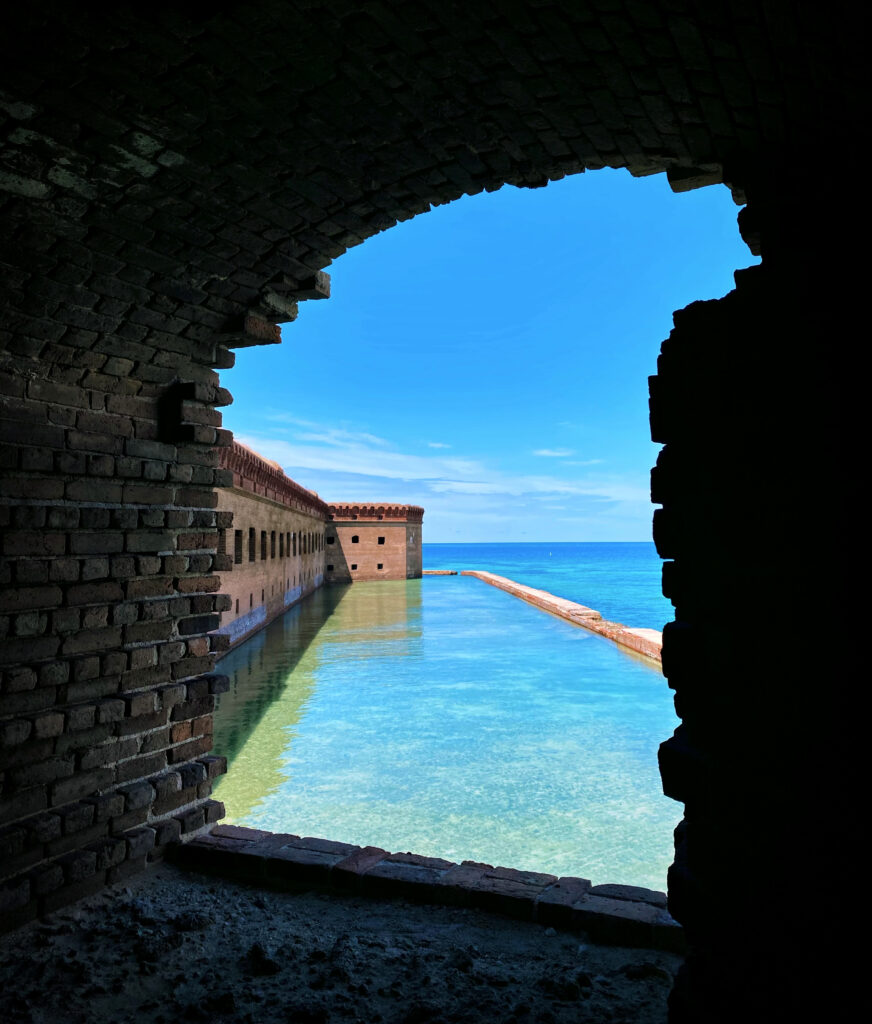
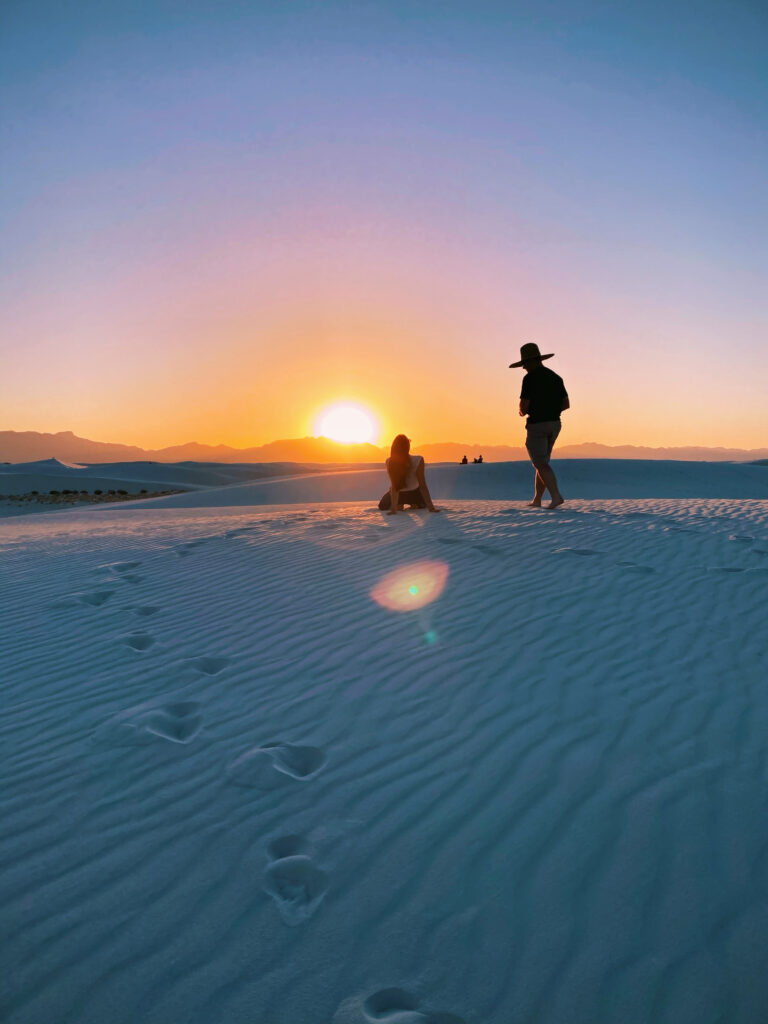
Photography plays a central role. Each chapter is anchored by strong images that enhance the sense of place without overwhelming the text. The visuals support the writing rather than compete with it.
Reflection & Resonance
I already had the travel bug before picking up this book. Go See America intensified it.
My wife and I love to travel. We’ve only had one international trip so far, but most of our adventures have been here in California, with the occasional cross‑country trip when we can manage it. We’re especially drawn to out‑of‑the‑way places, the quieter stops that don’t always make the front page of a guidebook but often leave the deepest impression.
Living in Sacramento, the capital city of California and an underrated place in its own right, as I reflected on in my Rediscovering Sacramento Through Sacramento Noir post review, we’re fortunate to be just a few hours from destinations many international readers may recognize: San Francisco, the coastal city known for the Golden Gate Bridge; Yosemite National Park, famous for its granite cliffs and waterfalls; the Sierra Nevada mountain range; the Pacific coastline; and Muir Woods, home to towering redwood trees. Proximity to that kind of geographic variety has shaped how we travel. This book, though, stirred something bigger: a desire to slow down even more and see the country differently.
It’s long been our dream to buy a Sprinter van, or even a small trailer, and travel more intentionally, moving at a pace that allows for detours, local stops, and the kind of quieter discoveries the book celebrates. Again and again, the author returns to the idea that less famous places can be just as striking as iconic ones. Places, like people, don’t have to be loud to make an impression.
What stayed with me most was his language and his joy in noticing. Whether describing a soulful national park, a lesser‑known beach, or a moment of stillness at a historic site, the book celebrates attention as much as movement. It encourages appreciation, presence, and curiosity, values that extend well beyond travel.
Final Thoughts
Go See America isn’t about conquering destinations or collecting proof. It’s about getting out there, paying attention, and letting places change you, sometimes quietly, sometimes all at once.
To me, the book reads as written primarily for an American audience, gently encouraging readers to explore their own country and recognize that you don’t have to travel far to experience wonder. The cultural references throughout, casual mentions, shared touchstones, and familiar historical shorthand suggest a reader who already understands the context. That interpretation isn’t a criticism so much as an observation; the tone feels directed inward, inviting Americans to rediscover what is already theirs. There is something worth seeing in every state, often closer than we think.
This isn’t one of my longest reviews, and that feels fitting. The book itself is light on pretense, heavy on heart, and driven by a simple, generous idea: Go See America.
Recommendations
- YouTube: Adam Does Not Exist — Cinematic, reflective travel videos built around reaching destinations using local and regional public transportation. Whether stringing together city buses, regional trains, or Amtrak routes to travel from San Francisco to Seattle or into Yosemite, the channel emphasizes the journey as much as the place itself. Like Go See America, it values accessibility, curiosity, and appreciation over spectacle, showing that meaningful travel doesn’t require luxury, just intention. A natural visual companion to the spirit of this book.
- Website: Atlas Obscura — A treasure trove of quirky, out‑of‑the‑way destinations and obscure history from around the world. If Go See America sparks a desire to look beyond the obvious, Atlas Obscura offers endless rabbit holes, highlighting the strange, forgotten, and quietly fascinating places that often make travel feel most memorable.
Support Four Eye Books
If you enjoy reflective, independent book reviews like this one and want to support Four Eye Books, here are a few simple ways:
- Buy Me a Coffee: Contributions help cover hosting, design, and book purchases. Even a small donation makes a difference.
- Share the Post: Send it to a fellow traveler or post it on social media.
- Engage: Leave a comment or suggest a book for a future review.
- Follow Along: Connect on Instagram @foureyebooks for upcoming reviews, interviews, and Bookish Adventures.
Four Eye Books is built slowly and intentionally. Your support helps sustain thoughtful reading and meaningful travel conversations.
Turn the page, take the trip, what new perspective awaits?