
About
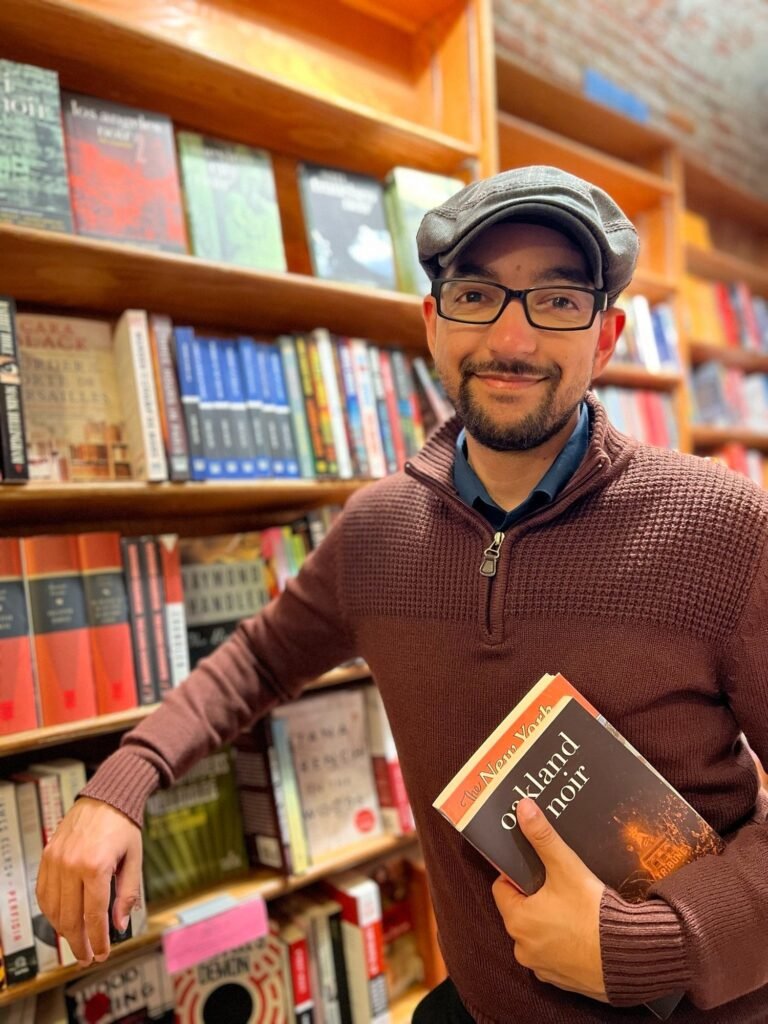
Who Am I?
My name is Cameron Whitfield, and I have been an avid reader my entire life. Anyone who knows me can tell you I am rarely without a book in hand. I don’t know where my love of books came from. They were just always a part of me. One of my earliest memories of reading is when I took the Young Indiana Jones Chronicles Choose Your Own Adventure books to elementary school. One day my teacher even took the book, and she read it to the class, and we got to choose the next adventure. It is something that will never forget. My journey as a reader is always evolving. Over the last five years, I have tried to push myself to read different genres and authors. One thing that I love about reading is its empathetic nature. Books allow you to step into other’s shoes(fictional or real) and for a brief time life a life you have never had. Reading has the power to create empathy that can be taken beyond the page.
How I Read
When I read, four ideas naturally come to mind — and when I started this blog, they became the foundation of how I approach every book. Reading, for me, is a layered experience. It’s not just about what a book is about; it’s about when I read it, why it mattered in that moment, and what questions or feelings it sparked. It’s also not about academic analysis — this isn’t literary criticism or theory. It’s personal, grounded, and meant to reflect how stories land in everyday life.
Over time, I developed a way of thinking about books that I call the Four Eye Lenses. They help me slow down, go deeper, and stay connected to the stories I carry forward.
A reading framework from Four Eye Books Turn the page, take the trip — what new perspective awaits?
Looking for a new way to reflect on what you read? The Four Eye Lenses are a gentle, flexible guide for slowing down, going deeper, and discovering what stays with you.
The Four Eye Lenses offer four simple angles for looking at any book:
how it’s told,
where it’s grounded,
what it explores,
and how it affects you.
They help us move beyond summaries and star ratings toward a more present, thoughtful reading experience. You can use them after finishing a book or while reading — noticing what shifts in you along the way.
This isn’t about rules. It’s about perspective — and it’s why the site is called Four Eye Books. We all bring different ways of seeing to the stories we read. The more lenses we use, the clearer the picture becomes. You’re invited to explore the Four Eye Lenses for yourself.
The Four Lenses of Four Eye Books
When I read, four ideas naturally come to mind — and when I started this blog, they became the foundation of how I approach every book. Reading, for me, is a layered experience. It’s not just about what a book is about; it’s about when I read it, why it mattered in that moment, and what questions or feelings it sparked. It’s also not about academic analysis — this isn’t literary criticism or theory. It’s personal, grounded, and meant to reflect how stories land in everyday life.
Over time, I developed a way of thinking about books that I call the Four Eye Lenses. They help me slow down, go deeper, and stay connected to the stories I carry forward.
1. Lens on Story
How the book is told.
We begin with the book itself. What is it about? How is it told? This lens looks at storytelling craft — narrative structure, character development, pacing, tone, and genre. Whether it’s a cozy mystery or a literary memoir, we ask: What story is being told, and how is it being shaped?
Try this:
Think about a recent book you read. What did the author choose to show — or not show? Was the structure linear, fragmented, surprising?
✏️ Sometimes a book’s ideas are strong even when the craft falters. This lens helps you name that dissonance with clarity and care.
2. Lens on Time and Place
Context, setting, and cultural relevance.
Stories live in context. This lens explores where and when a book is set — and also where and when you read it. It includes cultural, historical, and geographic context, and often connects to real-world events or your own environment.
Try this:
How does the time period or setting shape your understanding? Does the story connect to today’s cultural climate? Does location — the book’s or yours — shape what you notice?
✏️ This lens is especially powerful when a book’s message matters more than its mechanics.
3. Lens on Big Ideas
Themes, meaning, and deeper questions.
What larger themes or questions does the book explore? This lens focuses on ideas, meaning, and conversations a book invites.
From justice to belonging, legacy to imagination, we ask: What does this book make us think about?
Try this:
What stayed with you? A quote, a question, a shift in perspective? What conversations might this spark?
✏️ Even when the emotions don’t hit consistently, the core idea can linger — and that matters.
4. Lens on Reflection
Personal response and resonance.
This is the personal lens. What did the book stir in you? What memories, emotions, or questions surfaced?
It’s the imprint a book leaves behind — sometimes long after the final page.
Try this:
What did this book open in you? Did it remind you of a moment, a person, or a part of yourself you’d forgotten? Did it inspire travel, curiosity, or growth?
✏️ A flawed book can still offer a clear mirror.
The Framework Is Evolving
The Four Eye Lenses reflect how I read now — but that hasn’t always been the case. Earlier reviews may use simpler phrasing or different structures, and that’s intentional. I let old posts live as they are: reflections of the moment and the meaning the book carried then.
In newer reviews, you might see notes such as:
Guided by the Four Eye Lenses: Story, Time and Place, Big Ideas, Reflection.
This review uses the updated Four Eye Lenses structure.”
Try the Four Eye Lenses Yourself
Four Eye Lenses in Practice
Use one lens at your next book club meeting — or pick two and journal what they reveal.
The goal isn’t analysis — it’s connection.
Not every book becomes a favorite. Some have great ideas but imperfect execution. I rarely stop reading a book, even if I’m unsure midway through, because finishing lets me understand its full intention.
“Mixed-feeling” books can be just as thought-provoking as beloved ones — sometimes more.
And challenge yourself with stories unlike your own.
“Diverse stories” means more than identity — it includes values, viewpoints, cultures, and characters that stretch your thinking.
In my reviews, I often start with a brief summary, then move through the Four Eye Lenses. You can do the same — or begin with whichever lens feels most alive for you.
You don’t need perfect answers. Just ask:
What stood out about how the story was told? (Story)
What cultural or historical context shaped the reading? (Time and Place)
What themes or questions stayed with you? (Big Ideas)
What did it make you feel, remember, or want to do? (Reflection)
The Four Eye Lenses aren’t rigid categories — they’re tools for deeper reading, meaningful writing, and richer conversations.
Explore them. Adapt them. Make them your own.
If you feel inspired to share, tag @FourEyeBooks or leave a comment — I’d love to know what you saw or where it took you.